Start with timing, not just totals
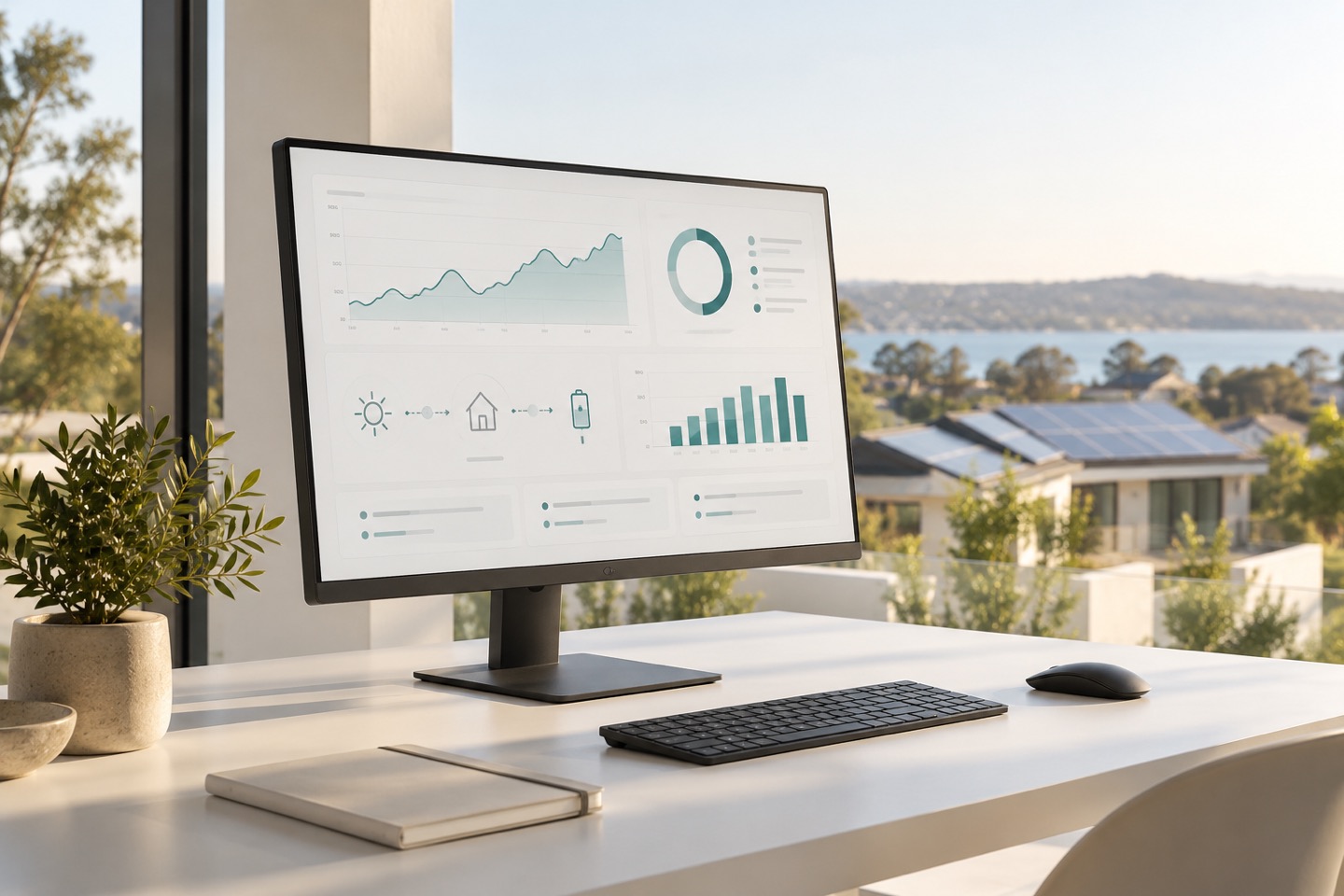
An electricity bill shows how much energy you use over a billing period. If available, interval data adds the timing: when demand rises, what happens while solar is generating and how much energy is used after sunset. Gather both so the discussion reflects the way the property operates.
Record what is already installed
Note the make and model of the inverter, the solar system size and any existing monitoring equipment. Photos of accessible equipment labels can help, but electrical equipment should remain closed. Compatibility needs to be checked against the actual products and site configuration.
Separate everyday use from backup
Write down your main reason for considering storage. If backup matters, identify the essential circuits or appliances and the situations you want to prepare for. Backup capability depends on the selected system and installation; it should be discussed explicitly rather than assumed.
Include tomorrow’s loads
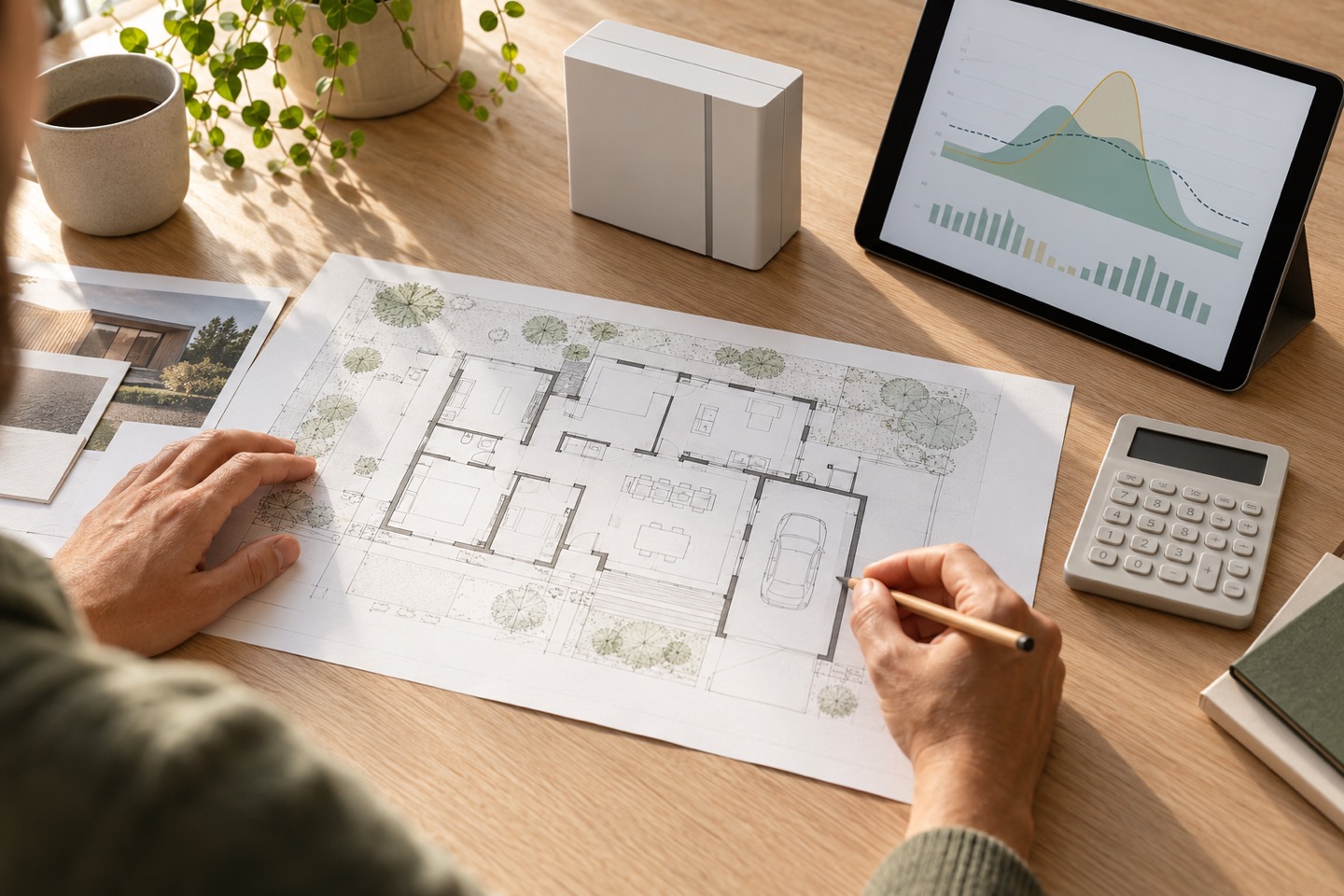
An electric vehicle, heat pump or change in working hours may alter the amount and timing of energy use. Share likely changes early. This helps the assessment consider the wider system, rather than choosing a battery around a snapshot that may soon change.
Compare the complete proposal
When reviewing options, ask for the exact equipment, usable capacity, power output, installation scope, monitoring, warranty conditions and support arrangements. Check which assumptions depend on your property and which items are included in the price.